The Beatles transformed rock and roll in a myriad of ways during their incredible run in the 60s. For one example, they brought sophisticated melodies to a pop and rock music world that followed in their tuneful example.
When they broke up, however, several acts tried to fill in the void of melodic rock that they left behind. These four acts deserve credit for carrying on that legacy.
Badfinger
When The Beatles started Apple Records, they made a point of signing artists whose music sounded little like their own. Badfinger stood out as the glaring exception to that rule. There are certain moments in the group’s catalog where it’s almost eerie how much they resemble the Fab Four. And a big part of that phenomenon comes from the way that the group’s three principal songwriters (Pete Ham, Tom Evans, and Joey Molland) could craft tunes that stuck with listeners almost immediately. They could bring the melodic brilliance in songs both crunching (“No Matter What”) and yearning (“Day After Day”). Bonus points to them because Ham and Evans wrote (and Badfinger originally did) the gorgeous Harry Nilsson ballad “Without You”.
Bee Gees
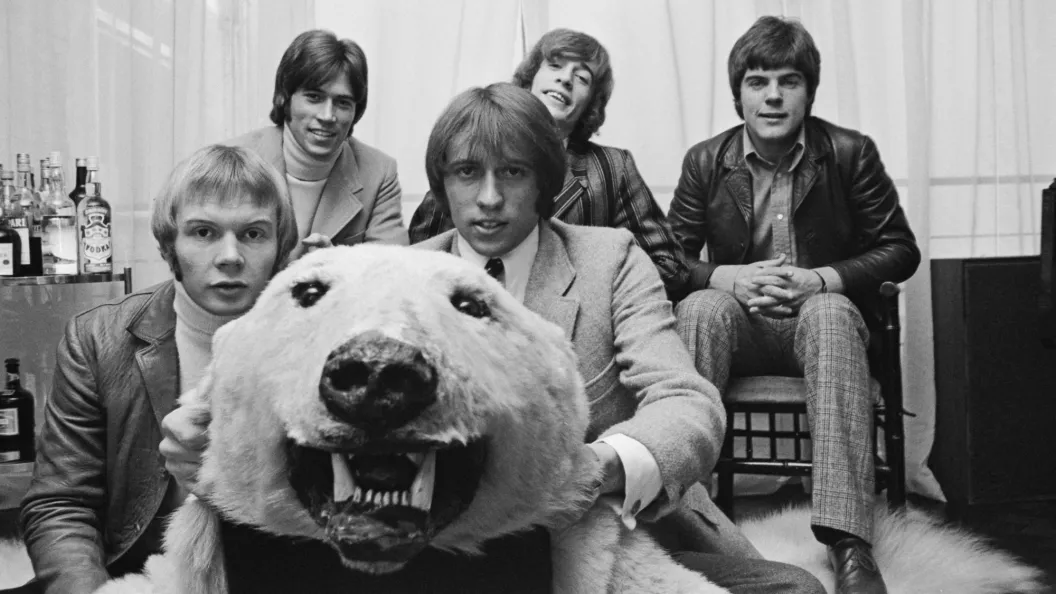
The Brothers Gibb reached their most monumental success in the late 70s when they slickly adjusted their sharp songwriting for the disco era. That followed a bit of a fallow period in their career. Before that, there was Bee Gees’ lush pop era, a time when they delivered melodies that managed to conjure a great deal of drama within their two- to three-minute pop songs. Their stunning harmonies only enhanced all that. When you dive into their catalog from the late 60s and early 70s, you’ll find song after song with tunes that are exquisitely crafted and heavy with hooks. As fun as the disco stuff was, the pop era of these legends deserves just as much credit for their stellar musical legacy.
Gilbert O’Sullivan
Irish singer-songwriter Gilbert O’Sullivan came onto the scene carrying a lot of quirks designed to separate him from the pack in the UK. There was his stage name (his first name is actually Raymond), which was meant to evoke memories of the operetta composers Gilbert & Sullivan. Then there was his look, a kind of old-timey image that he borrowed from silent film stars. Whether any of that helped him is hard to say. Had he just delivered his uncanny melodies without any of that folderol, we’re guessing he would have done just as well. “Alone Again (Naturally)” made him an American star. But he had many more strikingly tuneful songs like it, including winners like “Nothing Rhymed” and “We Will”.
Emitt Rhodes
These days, you can’t throw a rock without hitting a “DIY” artist. We’re talking about those one-person units who play all the instruments, write, and sing. 21st-century technology has made it a lot easier to put tracks together in that fashion. Back when Emmitt Rhodes did it, it was a much more laborious process. And he wasn’t even working at a professional studio to make it happen. Nonetheless, Rhodes released a series of albums in the early 70s that attracted a cult following who marveled at his way with a melody. Rhodes even had a vocal timbre that resembled Paul McCartney of The Beatles. As a result, you could imagine gorgeous songs like “With My Face On The Floor” and “Lullaby” as what the Fab Four might have sounded like had they continued past the 60s.
(Photo by Ivan Keeman/Redferns)
The post 4 Acts Who Carried the Torch for Melodic Pop After The Beatles’ Breakup appeared first on American Songwriter.