It’s likely that many young fans who grooved to Starship’s three No. 1 singles in the mid-80s thought they were listening to a somewhat new group. Many might not have realized that the band was simply the latest incarnation of a long-running rock music institution.
Starship changed musical directions along with their name on their 1985 Knee Deep In The Hoopla album. Their resilience paid off with pop stardom twenty years after the first version of the band debuted.
The Name Game
Jefferson Starship, leading light of the psychedelic rock scene in the 60s, begat Jefferson Starship. At first, Jefferson Starship made bank thanks to a turn towards soft rock. They changed on the fly late in the 70s to go with more of an arena rock sound.
In 1984, Jefferson Starship’s album Nuclear Furniture represented a musical direction that Jefferson Airplane founding member Paul Kantner didn’t want to follow. Kantner left the group. Since he owned the rights to the Jefferson Airplane moniker, he put his foot down about the band continuing to perpetuate any connection in name to the original.
After some wrangling on both sides, it was agreed that they could continue as Starship. Since they’d been rebranded, what better time to make some distinct changes to their artistic approach? And who knew that the change would lead these veterans to the top of the charts?
‘Hoopla’ How-To
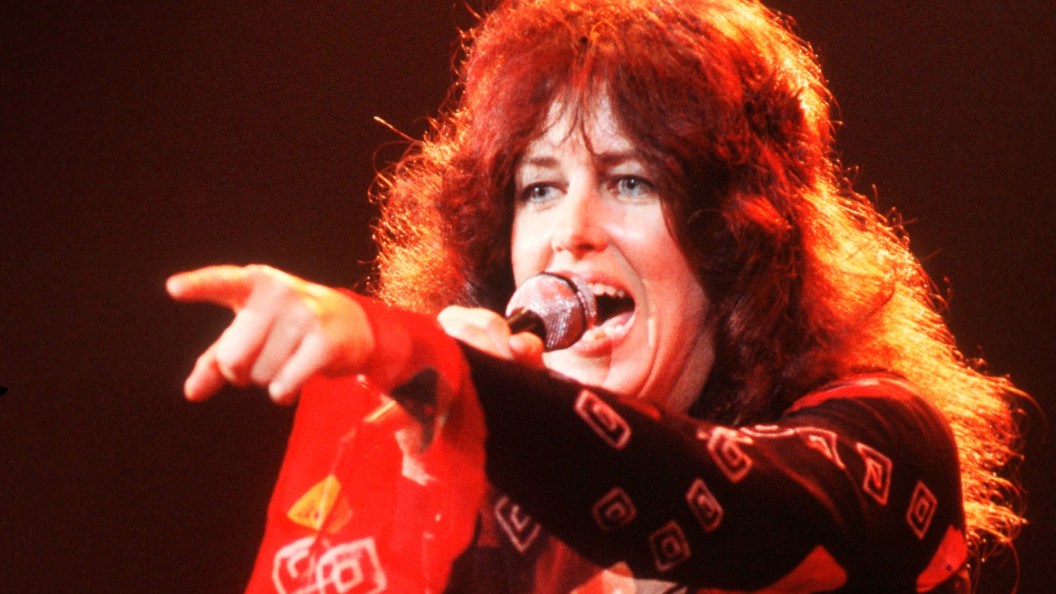
At that time, many folks still associated Starship with Grace Slick, who’d been the lead singer going back to the Jefferson Airplane days. But the 1985 album Knee Deep In The Hoopla, their first as Starship, found Mickey Thomas, who came aboard in the late 70s, taking charge. His main artistic collaborator was Peter Wolf (not the same guy as the J. Geils Band singer). Wolf took co-production duties on the record.
The band decided that they’d employ outside songwriters to provide the most commercial material, another change from tradition. On top of that, Wolf constructed many of the backing tracks via synthesizers and sequencers, leaving some of the band’s instrumentalists out in the lurch.
Thomas also insisted on songs that stuck to simple themes about romance. Bassist Pete Sears brought in a song with a political bent. But it was rejected when he refused to change the lyrics to make it more of a piece with the rest of the album.
Sudden Chart-Toppers
The moves made by Starship suggested the kind of capitulation to market forces that the steadfastly anti-authority Jefferson Airplane never would have entertained. But the success they enjoyed at a time when most acts of their vintage were either defunct or struggling for relevance made an excellent counter-argument.
“We Built This City”, which originated with lyrics from none other than Bernie Taupin, fit ’85 pop radio like a glove with its synth bass and danceable groove, reaching the No. 1 spot. Power ballad “Sara”, which offered Thomas a showcase for his elastic vocals, followed suit.
Starship used a similar formula two years later on No Protection, which yielded another chart-topper (“Nothing’s Gonna Stop Us Now”). As it turned out, the name change was the least of the transformations that this long-running unit endured.
(Photo by Michael Putland/Getty Images)
The post Remembering When a Rebranded Band of Rock Veterans Delivered the First No. 1 Hits of a Two-Decade Career in 1985 appeared first on American Songwriter.